
Clayton Resident Lookup Record Trail
One record rarely settles a Clayton identity question. Johnston County is the custodian for Clayton deeds, Clayton parcel material, local vital services, court files, and elections work, even though Clayton is not the county seat. The useful Clayton path is a set of small confirmations: a parcel can supply a tax owner and physical address, a recorded deed can supply the parties and legal description, and the voter and court systems can add dated public information. Each Clayton source has a different scope, so a match is a lead to compare rather than a complete household list.
| Record | What It Can Confirm | Clayton / Johnston Route | Access Boundary |
|---|---|---|---|
| Clayton tax parcel or card | Clayton tax owner, parcel or PIN, physical and mailing address | Johnston County Public Access and Clayton MapClick | Clayton owner is not automatically an occupant. |
| Clayton recorded deed | Clayton conveyance parties, recording date, legal description, related instruments | Johnston EagleWeb for Clayton records | Clayton index start date is not stated; historic deed microfilm is a separate Heritage Center route. |
| Clayton voter record | Clayton registration status, party, precinct, districts, polling place, and history method | NC voter lookup for Clayton names | Full birth date and other excluded identifiers are not public; protected Clayton addresses can be withheld. |
| Clayton court case | Clayton party role, case number, events, hearing, disposition, or judgment | NC eCourts Portal for Clayton cases | Public Clayton results are not certified; sealed, juvenile, and expunged matters may be absent. |
| Clayton vital or local-history lead | Clayton event, relationship, obituary, cemetery, yearbook, or dated directory clue | Clayton and Johnston ROD, NC Vital Records, library, and Heritage Center | Certified Clayton copies have eligibility rules; archival indexes are not certificates. |
The Johnston County MapClick information page introduces the Clayton parcel viewer used to compare a situs address with a tax mailing address. Those Clayton addresses can point to different people or functions, so record both before moving to a Clayton deed or voter search.
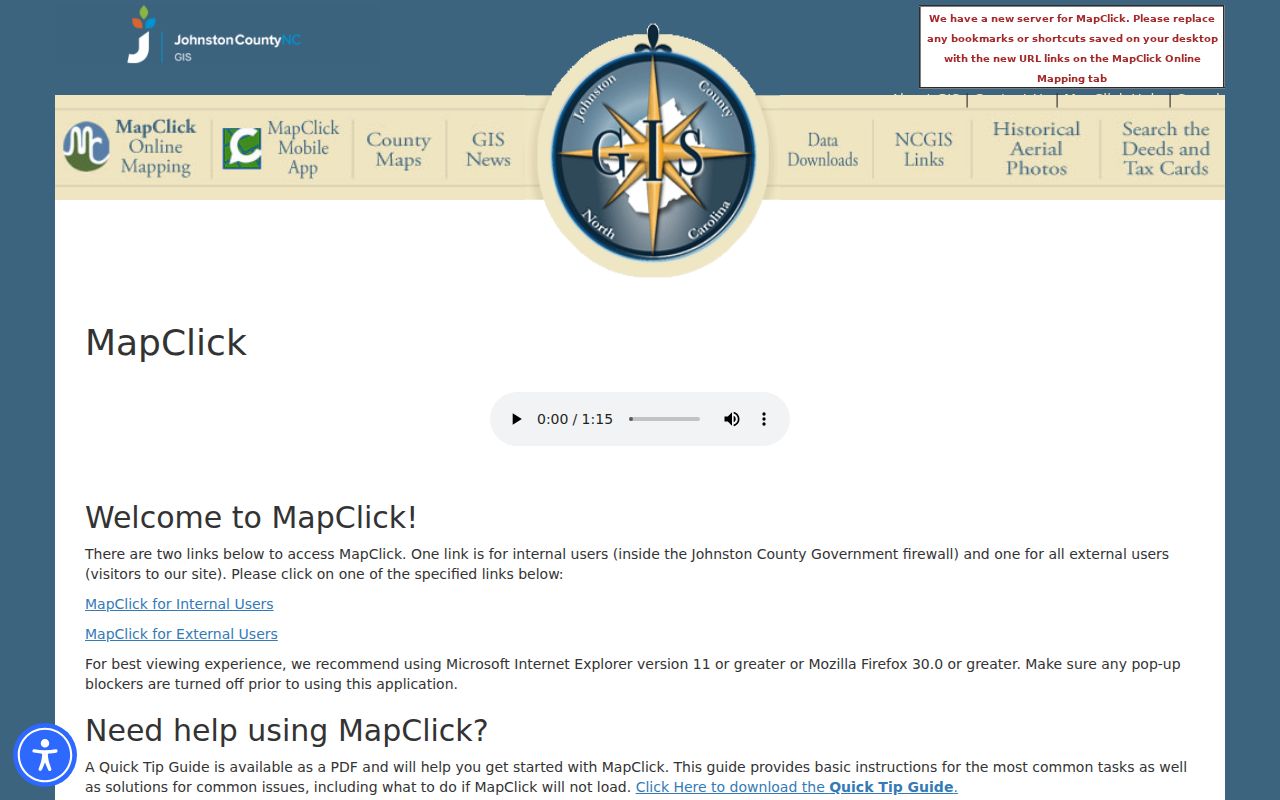
For a Clayton resident lookup, the Clayton map is a property lead. It does not establish who occupies a Clayton home, and a deed return address can belong to a lender, preparer, or attorney.
Clayton Resident Lookup Tax Lead
Start the Clayton-area Johnston tax portal with the clue already in hand. Its first screen offers Property Owner Name, Parcel Number, and Property Address, then sends the user to a method-specific form. Search Clayton spelling variants when an owner name does not return a parcel. When a Clayton address is the starting point, keep the original street spelling and compare the physical address to the mailing address shown on the parcel material. The Clayton Tax Office can help with older or offline material when the public portal does not answer the question.
Clayton MapClick expands the same property lead through owner, address, PIN, deed book and page, subdivision, township, city limits, ETJ, and district searches. That variety matters in Clayton because an address may be associated with a town, a township, or a mailing ZIP that does not settle municipal residence. A Clayton parcel number and legal description make the later EagleWeb search far less vulnerable to a common name. Note: A Clayton tax-card owner and a person who receives mail at a parcel are distinct facts.
Clayton Court Name Search
For a Clayton name, use the NC eCourts Portal training resources to understand the statewide Smart Search before reading a Clayton result. The Clayton and Johnston court location has Superior Court in District 13 and District Court in District 12. Smart Search can filter a Clayton party or case-number query by location, party name, date of birth where permitted, case type or status, and file-date range. A Clayton last-name wildcard needs at least three characters before the asterisk; a first-name wildcard needs at least one.
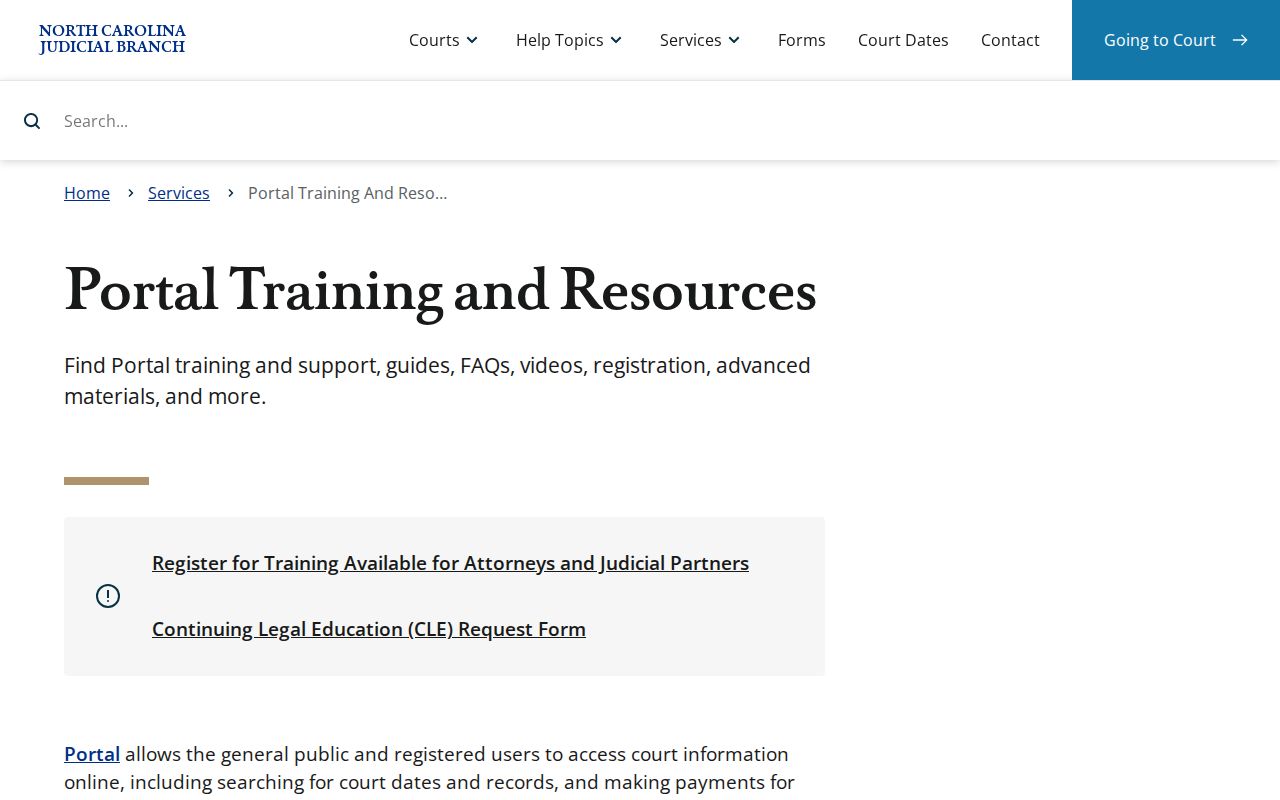
An eCourts result for a Clayton name is a case lead, not a verdict on identity or conduct. Capture the returned county or Clayton location, case number, case type, file date, party role, event or disposition, and whether the view is a summary, hearing, judgment, or image.
| Smart Search field | Use for a one-person check |
|---|---|
| Party name for a Clayton search | Try a Clayton full name, initials, and supported surname variants. |
| Johnston County location | Narrow a Clayton common name to Johnston County when the record belongs there. |
| Date of birth for a Clayton match | Use only where the portal permits it to separate similar Clayton names. |
| Case type, status, and file date | Limit the Clayton query to the record question being checked. |
| Case number for a Clayton result | Use the year, type, sequence, and county identifier after a Clayton result is found. |
Common Clayton result fields include case summary, case information, assignment, parties, cause of action, events, dispositions, hearings, financial information, and judgments where the case type permits. A Clayton party can appear without being a defendant, and an arrest result, civil complaint, dismissal, judgment, and conviction are different records.
Clayton Resident Lookup Verification Steps
Use a stable sequence for a Clayton record to test whether records describe the same person. The aim is to join a Clayton name to an address only when the dates, parcel, relative, or other public details agree. For a Clayton woman, married and maiden names, initials, and older directory forms can all be relevant. Stop when a Clayton link rests on a name alone.
- Find the Clayton parcel by address or tax owner and write down the PIN, physical address, mailing address, and legal description.
- Search the owner of the Clayton parcel in EagleWeb, then compare the grantee or grantor, record date, and legal description with the parcel.
- Use the voter lookup for the Clayton name, with the lookup date noted and protected-address rules respected.
- Search eCourts for the Clayton name and inspect party role, location, case type, and disposition before treating a hit as a match.
- When a legally sufficient Clayton copy is needed, contact the Clerk, Register of Deeds, or issuing agency instead of relying on a portal screen.
- Docket
- A court’s running case record, which may list parties, events, hearings, and dispositions.
- Index and image
- An index points to a record. An image is the scanned document or record view, which can have separate access or copy rules.
- Certified copy
- A copy issued by the legal custodian with its certification. It is different from a saved search result or an uncertified archival finding aid.
Clayton Vital Name Routes
Event type and year determine the next custodian. NC Vital Records lists statewide holdings from 1913 for births, 1930 for deaths, 1962 for marriages, and 1958 for divorces. Johnston Register of Deeds handles local vital services and marriage material, while divorce court files route through the Clerk. Births before 1913, deaths before 1930, and older county material can require the Register of Deeds, State Archives, library, or Heritage Center rather than a general online search.
The NC Vital Records research guidance distinguishes a genealogy lead from a certified certificate. Certified access follows N.C.G.S. 130A-93, and a public name does not make a certificate available to every requester.
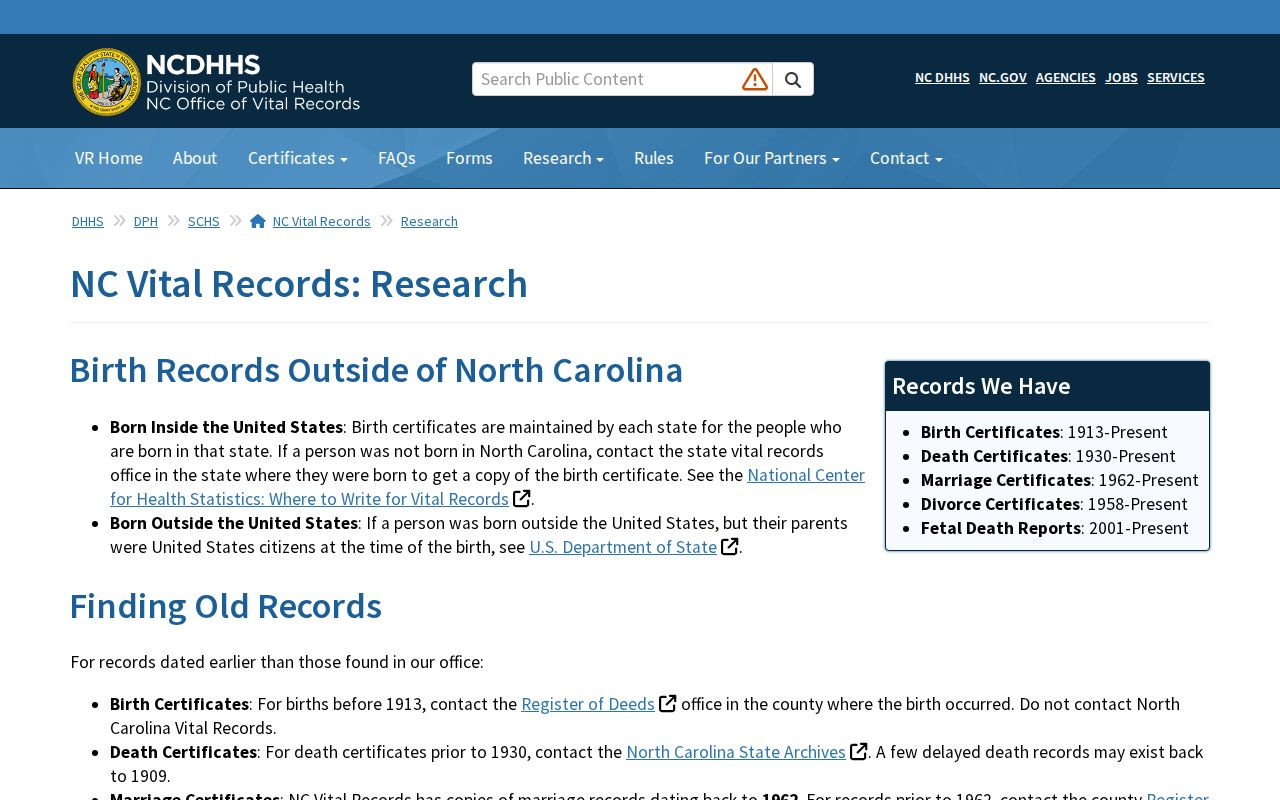
Use the research route to identify the event and the likely holder, then confirm the record type and access rules before ordering a copy.
The Johnston Register of Deeds vital-record service is the county path for locally held certified copies and marriage licenses.
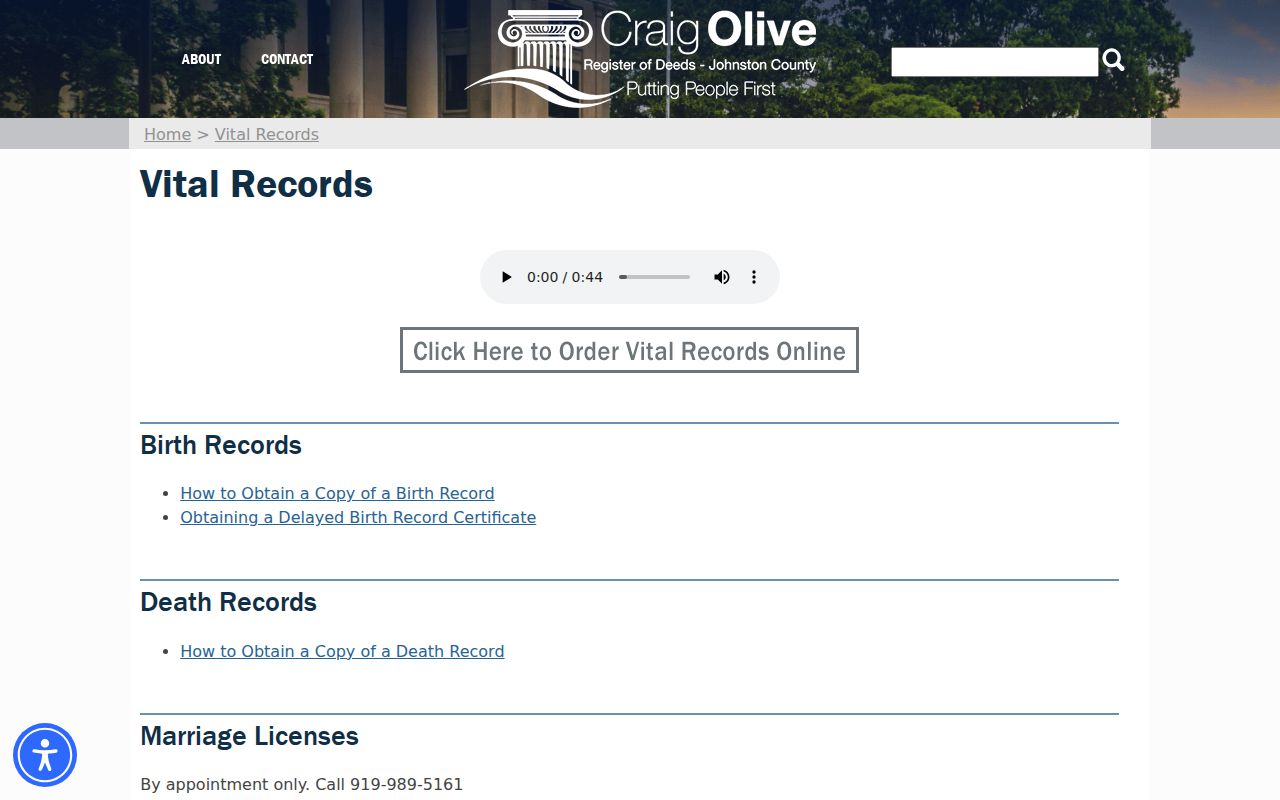
The county route is useful when the event belongs in Johnston County, but it does not replace the state holding or the Clerk’s custody of a divorce court file.
The state vital-records service supplies the statewide certificate and research channels.
For a historical identity trail, pair an index with an obituary, cemetery record, dated directory, or estate file rather than presenting it as a legal certificate.
Clayton Obituary Name Bridge
Clayton’s March 2026 obituary-index announcement adds a local finding aid built from funeral records, donated collections, and vertical files. It draws on the Hodges Funeral Home records from the 1950s and 1960s, the John Barnes Collection, and the Virginia Satterfield Collection. This is a useful bridge when a name needs a date, burial lead, family context, or an original item request. It is not a complete vital-record database and should not be treated as one.
The library announcement identifies the source collections, while the Johnston County Heritage Center supplies cemetery, obituary, census, deed, court, and yearbook materials. Ask for the original item after finding an index entry. The date, page, repository, and source type make a much stronger identity comparison than an undated name alone.
Former classmates and family-history searches need the same restraint. A Clayton, Cooper, or Clayton Middle yearbook page may give a time-specific school context, but it is not a current contact record. For an heir question, use the decedent’s obituary or cemetery lead with the Clerk’s estate or special-proceeding file, then test any claimed connection against the deed or estate inventory.
Clayton Record Request Route
When no public index answers a narrow question, request an existing record from the likely custodian. The North Carolina Public Records Act, Chapter 132, allows inspection and copies without a stated purpose under G.S. 132-6. G.S. 132-6.2 addresses database requests, actual copying costs, and special service charges for complex work. It does not require an agency to create a new compilation or to convert a record into a new format.
Name the custodian, record type, date range, address, parcel, case, or meeting identifier, desired format, and attachments sought. Ask for segregable public portions when confidential material may be mixed into a file. If access is denied, ask for the legal basis and whether a redacted copy is available. The Clerk, Tax Office, Register of Deeds, Board of Elections, library, and Heritage Center each have different custody boundaries, so send the request to the office that actually keeps the record.
Note: A targeted request for an existing record is more likely to succeed than a broad request asking an agency to locate a person.
Clayton Resident Lookup Privacy Limits
North Carolina access rules preserve public information while protecting specific fields and people. G.S. 132-1.10 permits redaction requests for Social Security or taxpayer numbers, driver-license or state-ID numbers, passport and account information, credentials, and similar data in Register of Deeds or Clerk documents. The NC Address Confidentiality Program provides a substitute address for eligible survivors of domestic violence, sexual offense, stalking, and human trafficking. Protected voter addresses can also be withheld.
A name can appear in a parcel, voter, court, business, cemetery, or obituary record without proving current residence. Household members, children, unregistered residents, protected participants, and people named only in restricted files can be absent from an ordinary search. Send a correction to the originating custodian: the Tax Office for a parcel-card problem, the Register of Deeds for an index or redaction question, the Board of Elections for voter data, and the Clerk for a case-file issue.
Lawful use. Use public records for a legitimate, limited purpose. Never use a name, parcel, map, or public-file result to stalk, harass, intimidate, or expose a protected address.